Hickman County Schools - Strategic Plan

Our Vision

Our vision is to inspire excellence in every student by developing their full potential through high expectations and unwavering commitment.

Our Mission

The Hickman County School System serves to inspire every student, everyday, so that each is prepared for a successful future.

Our Primary Focus Areas 


Student Achievement (Literacy, Math, ACT, TVAAS Growth)Attendance (Chronic Absenteeism)Instructional Rigor (Standards-Based Instruction & HQIM)Career and Technical Education (CTE) SustainmentStaff Recruitment and RetentionSchool Culture & Behavior SupportsCommunity EngagementEnrollment & Revenue GrowthFacilities & Financial Sustainability

● Strengthen literacy achievement.
○ Renewed focus on explicit foundational skills and literacy instruction
grounded in board-approved curricula.
○ Strengthen Tier I literacy instruction.
○ Early identification and intervention for struggling readers.
○ Increased emphasis on comprehension and writing stamina.
○ Targeted small-group interventions during RTI time.
○ Coaching support for instructional consistency across classrooms.
○ Apply literacy-in-content strategies across subjects.

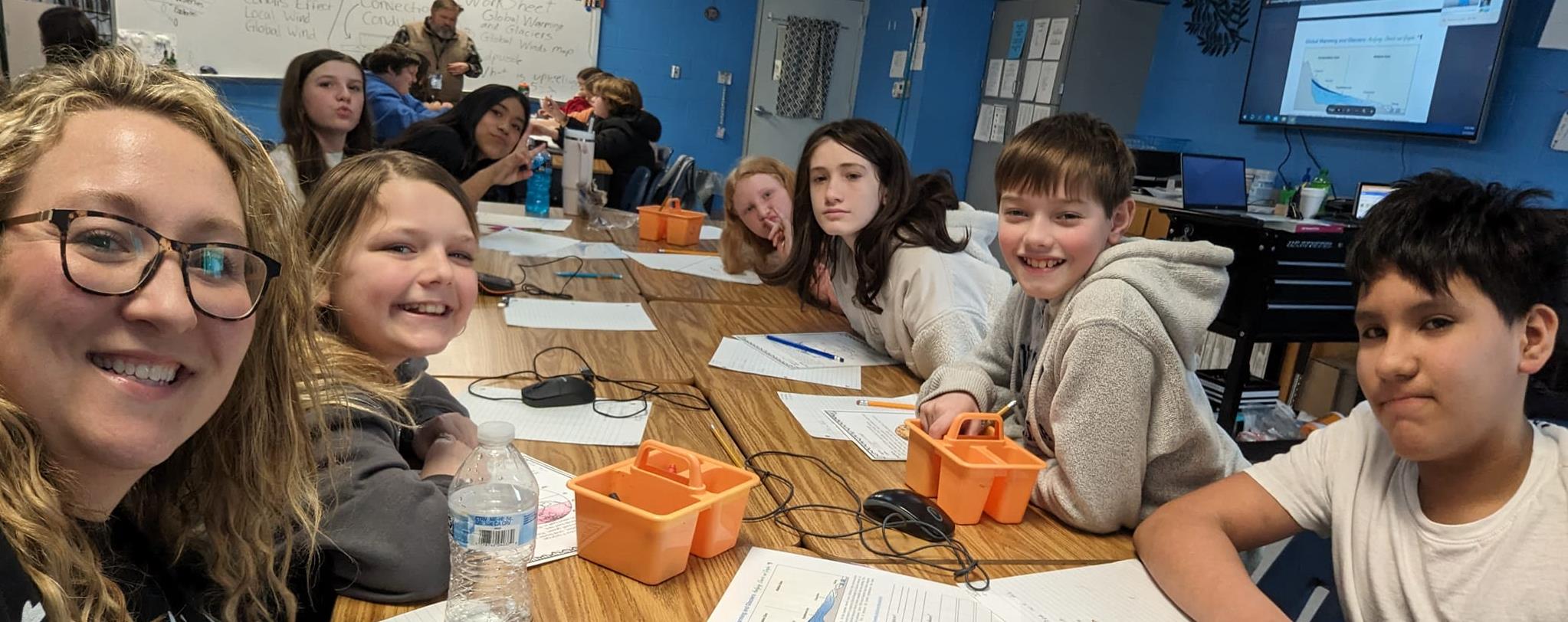
● Improve mathematics instruction.
○ Support early mathematics foundations.
○ Focus on number sense, problem-solving, and math fluency.
○ Intervention supports embedded in daily instruction.
○ Professional development focused on conceptual understanding and
pacing.
○ Support effective PLCs.
○ Leverage ongoing support through participation in the TDOE Math
Implementation Network.
○ Alignment of instructional resources and pacing guides.
○ Data-driven regrouping during RTI blocks.

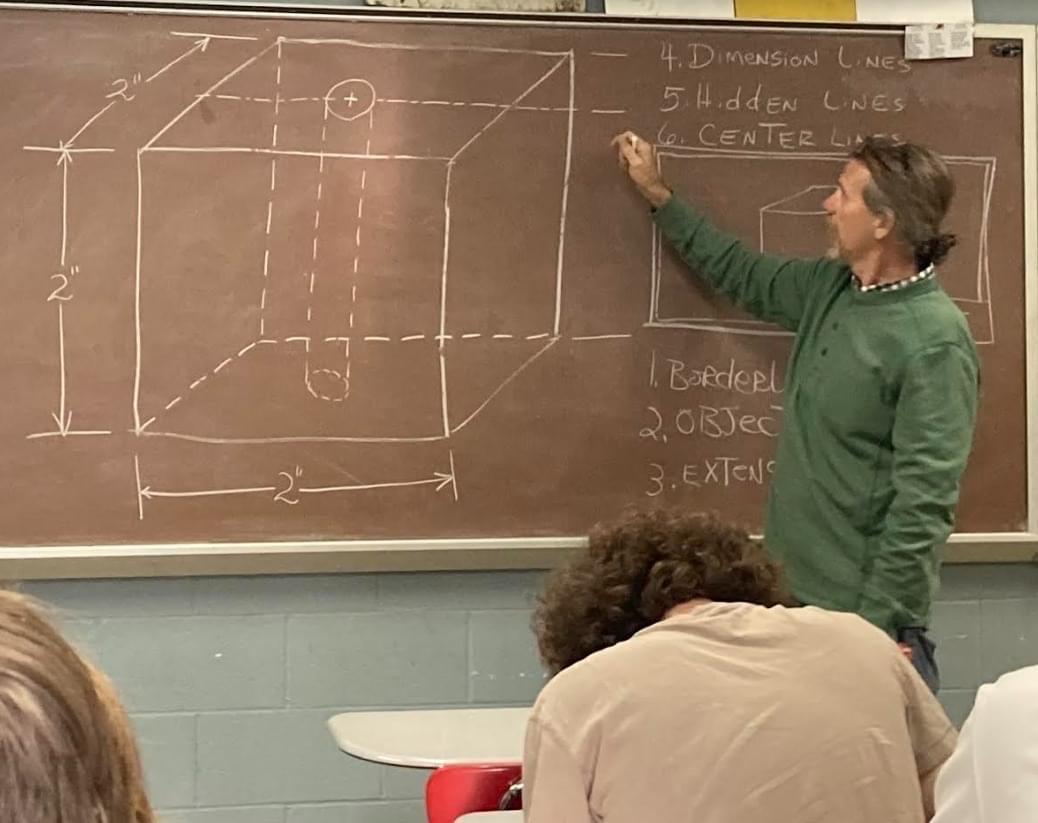
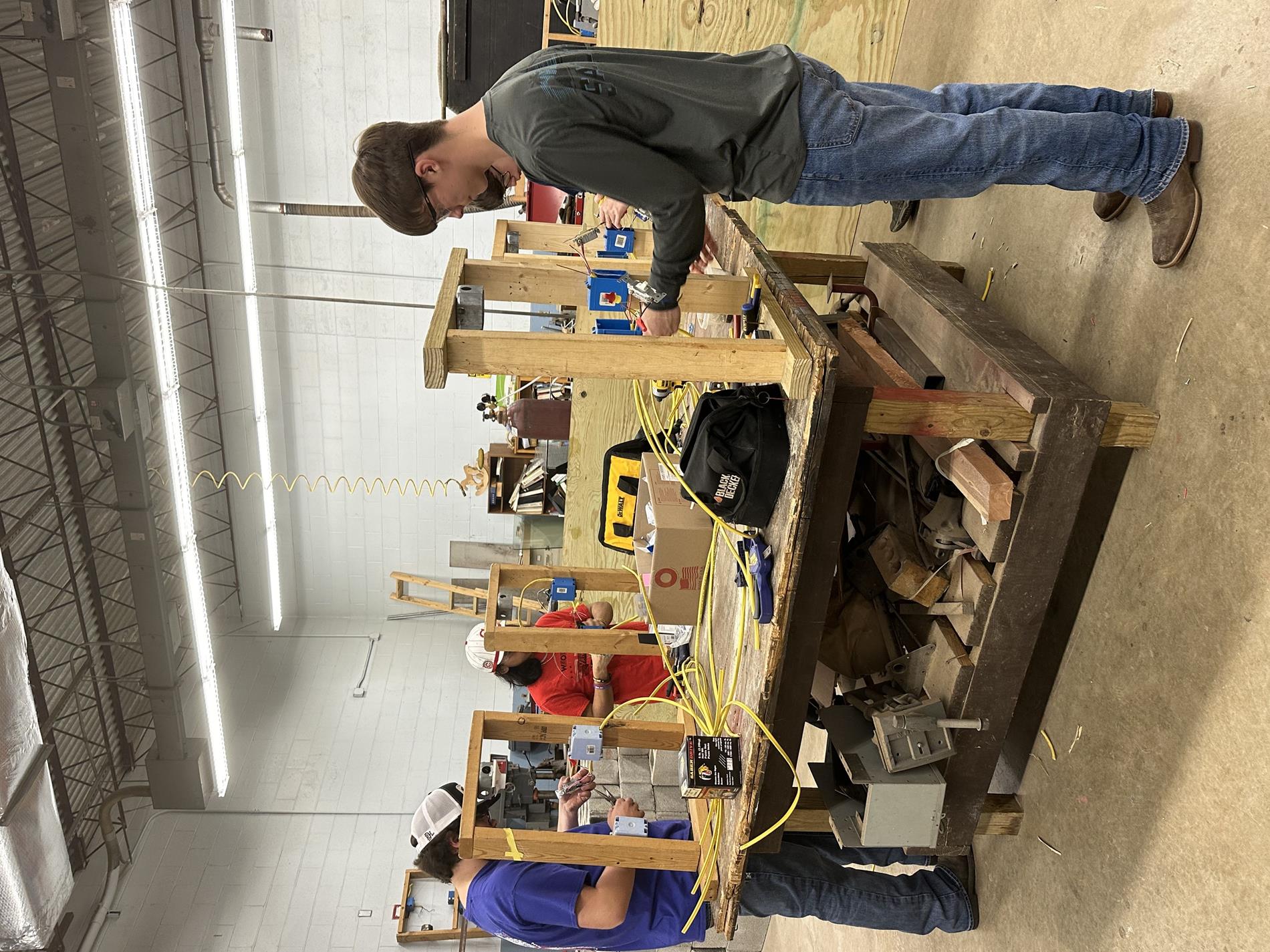
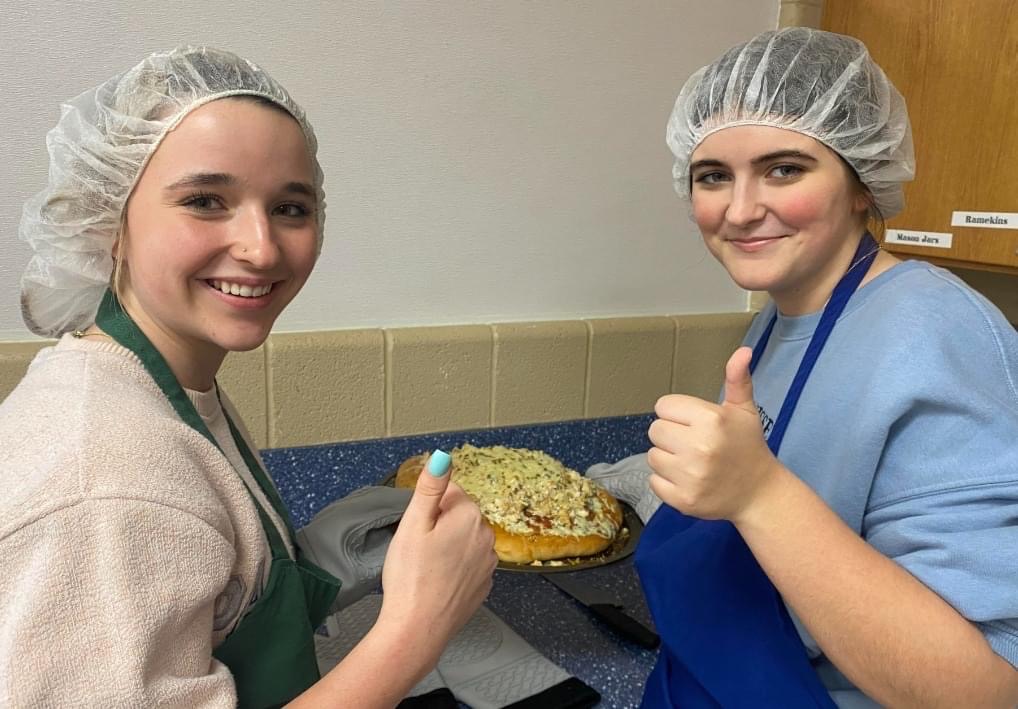
● Monitor and sustain Career and Technical Education (CTE) offerings.
○ Evaluate enrollment, graduation requirements, and program viability.
○ Ensure existing pathways remain strong and aligned to student needs.

● Strengthen post-secondary readiness.
○ Maintain targeted supports for foundational high school courses.
○ Focus on writing, problem-solving, and content literacy.
○ Monitor subgroup performance for equity.

● Utilize multiple benchmark assessments and student data trackers to monitor
progress.

● Increase student readiness and performance on the ACT through focused
preparation, interventions, and support.

● Increase student academic growth as measured by TVAAS through data-driven
instruction and intervention.

● Reduce chronic absenteeism.
○ Implement attendance incentives.
○ Family outreach.
○ Targeted supports.

● Implement and sustain comprehensive behavior supports across all schools,
including ongoing training for staff and administrators.
○ Include behavior modification program for grades K-5.

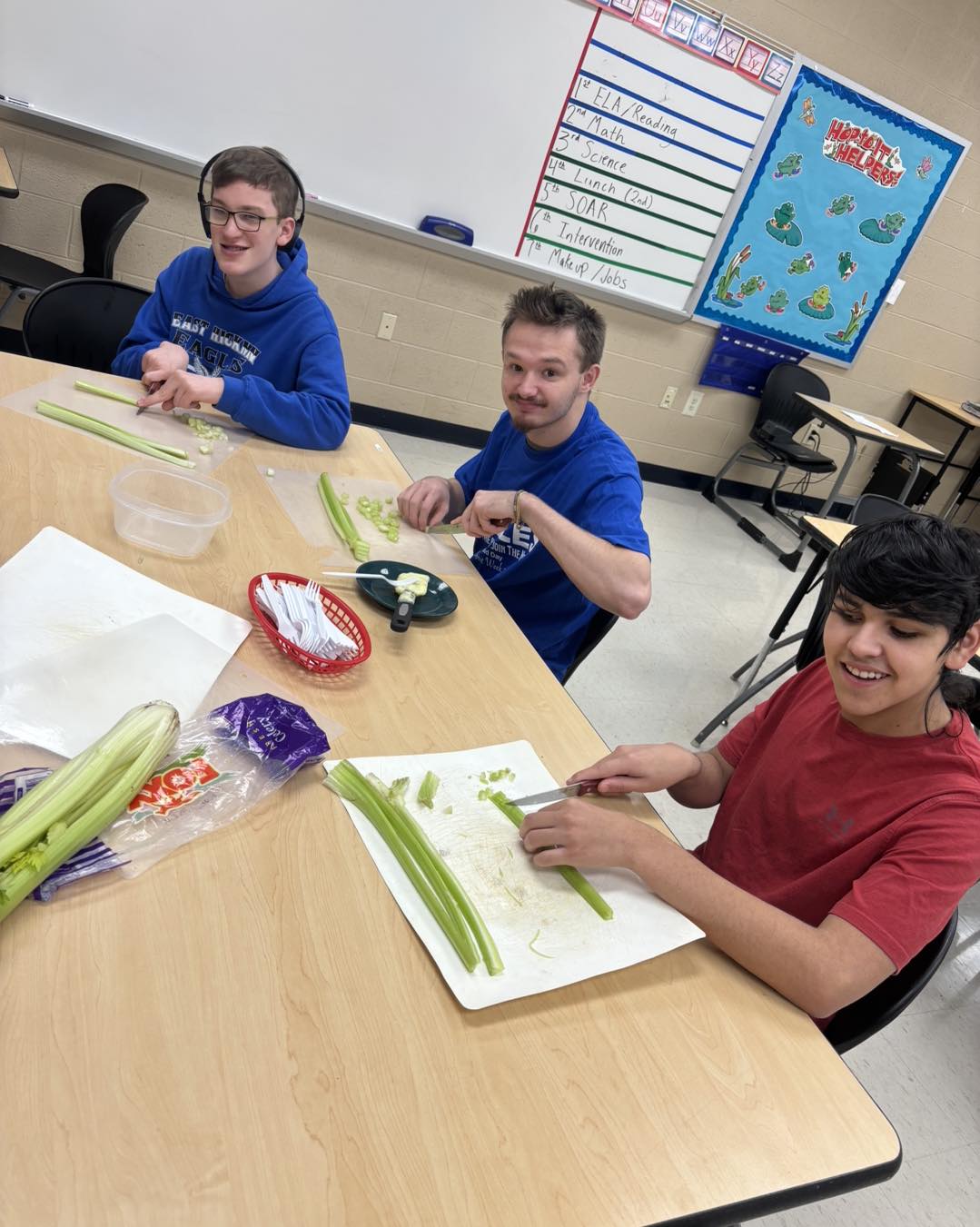
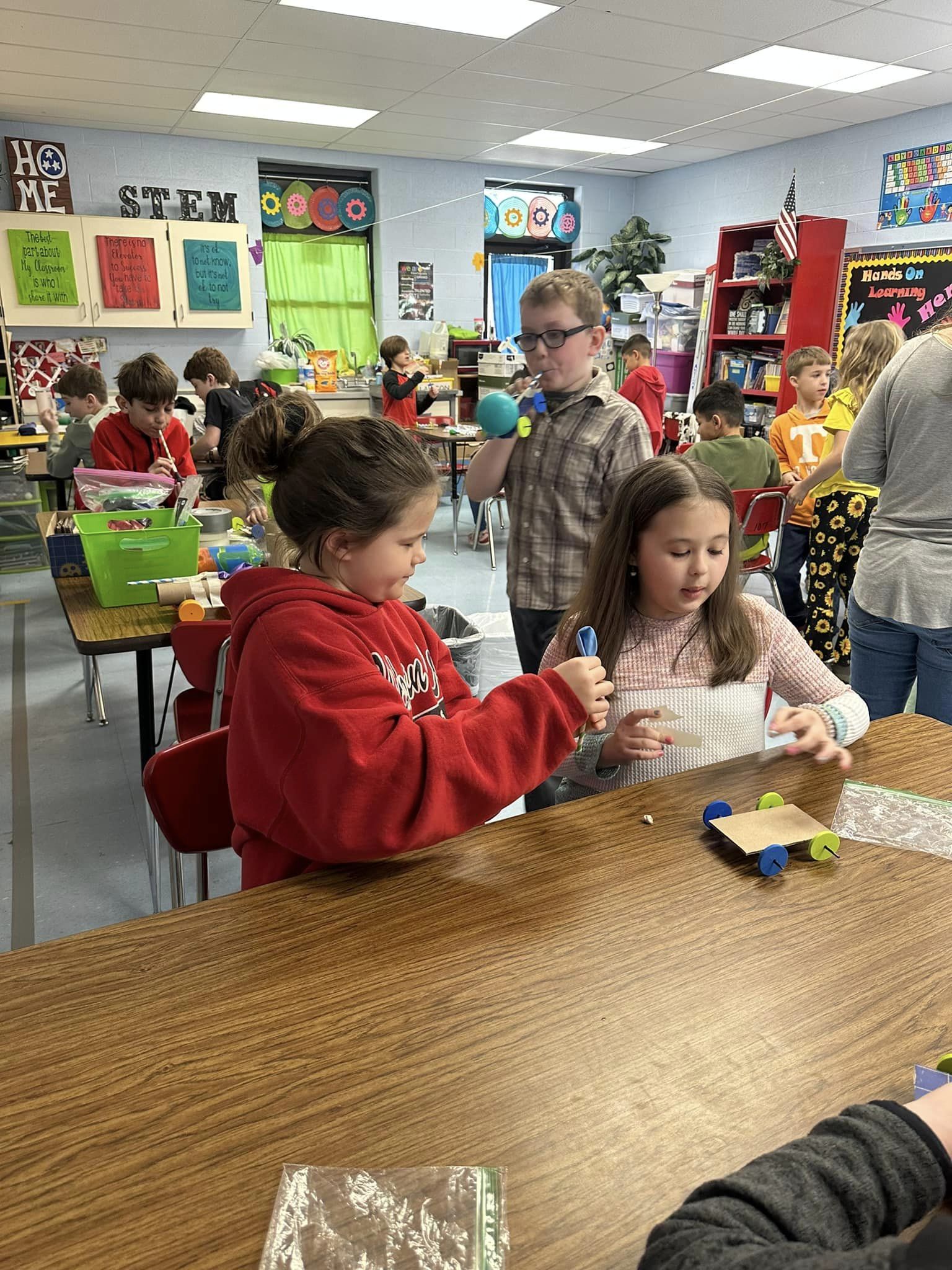
● Increase opportunities for real-world learning by integrating authentic, applied
learning experiences into instruction.

● Recognize student achievement by highlighting a Student of the Month at each
school board meeting.

● Emphasize citizenship and character development as a shared responsibility
across all schools.
● Recruit and retain highly effective teachers.
○ Competitive compensation / salary schedules.
○ Supportive working conditions.
○ Regular recognitions / staff appreciations.
○ Reestablish new teacher PLCs and mentorships.
○ Provide targeted support for both traditionally prepared educators and
those entering through non-traditional pathways.
○ Utilize district leadership as informal mentors in addition to school-based
mentoring supports.

● Strengthen the use of data to drive instructional decisions and increase
accountability at all levels.
○ Utilize student data trackers.
○ Integrate student data chats.

● Implement and support the use of high-quality instructional materials (HQIM)
across all content areas.
○ Share best practices district-wide.
○ Monitor consistency across schools and classrooms.

● Ensure consistent implementation of standards-based instruction.
○ Focus on rigor and alignment.
○ Ensure vertical alignment of academic standards between grade levels.
○ Expand cross-grade PLC collaboration.
○ Reestablish consistent, intentional PLC structures at the high school level.

● Provide high-quality, effective professional development.
○ Aligned to district instructional priorities.
○ Explore more opportunities for differentiated, personalized training.
○ Provide data training on achievement and growth models.
○ Focus on lesson preparation, instructional delivery, and pacing.
○ Include high-quality PD options for administrators.

● Provide targeted training for administrators on effective behavior management
and student support systems.

● Fully leverage the expertise of two district-wide instructional coaches to provide
consistent, high-quality instructional support across all grade levels and content
areas.

● Actively market district schools and programs to strengthen public awareness
and community confidence.
○ Expand the district’s presence and engagement through consistent and
strategic use of social media.
○ Strengthen communication with the local newspaper to highlight student,
staff, and school successes.
○ Develop podcasts and/or video content to share district initiatives,
achievements, and stories.
○ Maintain an updated, user-friendly district website as a primary
communication tool.
○ Intentionally “tell the district’s story” by highlighting positive outcomes and
growth.
○ Lead/host “State of the Schools” community meetings.

● Partner with community leaders to strengthen school-community connections.
○ Improve relationships and communication with local officials to strengthen
partnerships and advocacy.
○ Expand partnerships with community organizations to support students
and schools.
○ Engage local and state politicians to advocate for district needs and
priorities.

● Provide coordinated services and supports to families to address barriers to
student success.

● Promote “shop local” initiatives to support local funding and community
investment in schools.

● Develop mentoring opportunities for students through community and business
partnerships.

● Expand work-based learning (WBL) and internship opportunities for high school
students.

● Implement district-wide community projects and engagements to promote
literacy.

● Upgrade district facilities to ensure safe, functional, and modern learning
environments.
○ Ensure continued preventive maintenance to extend the life of district
facilities.
○ Develop and implement a comprehensive maintenance and facilities
matrix to guide planning and prioritization.
○ Maintain high standards of cleanliness and organization across all
buildings.
○ Ensure all schools have color coded safety maps in place.
○ Take appropriate actions to ensure student safety in all school facilities.

● Identify and pursue additional revenue opportunities beyond traditional funding
streams.
○ Explore opportunities related to cell phone towers or similar leases on
district property.
○ Explore bus advertising as a potential revenue source for the district.
○ Pursue grants to support instructional programs, facilities, and student
services.

● Increase student enrollment to strengthen district revenue and long-term
sustainability.
○ Expand and strengthen the district’s virtual school offerings to provide
flexible learning options for students and families.
○ Market district programs and offerings to homeschool families as an
alternative pathway to public education.

● Explore before- and after-school childcare options to support recruitment and
retention.

● Maintain a balanced budget while aligning financial decisions with district
priorities.